By: Brian Stratton
May 15, 2026
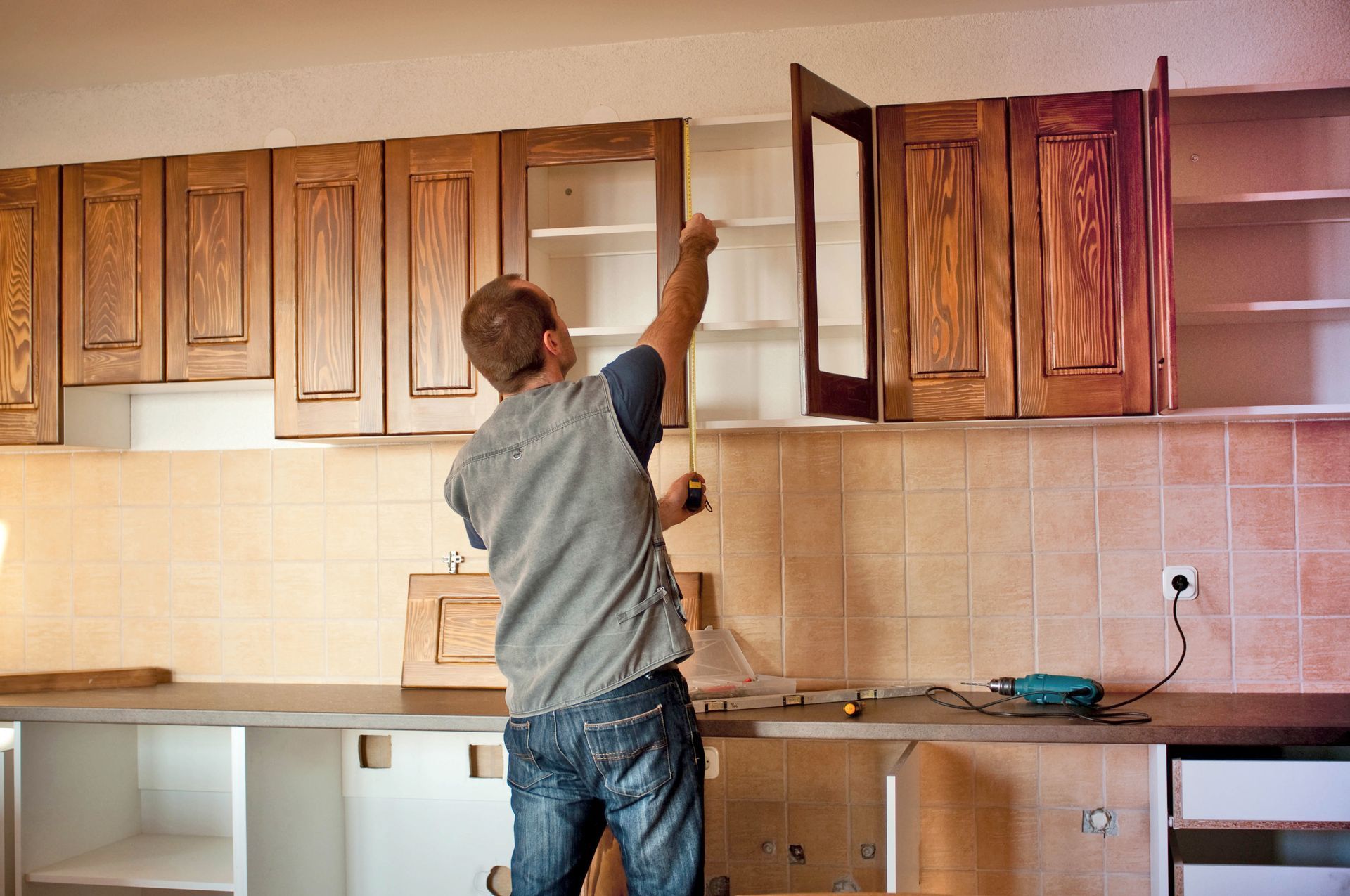
Creating custom cabinetry allows you to tailor every detail to your style and functional needs. From materials to finishes, each choice affects durability, aesthetic appeal, and the overall impact on your space. Understanding the options helps ensure your cabinetry is both beautiful and long-lasting, aligning with your design goals and lifestyle. Custom cabinetry gives homeowners the freedom to mix materials, colors, and finishes in ways that mass-produced cabinets cannot achieve, resulting in a truly personalized space.
Wood Types for Custom Cabinetry
Hardwoods
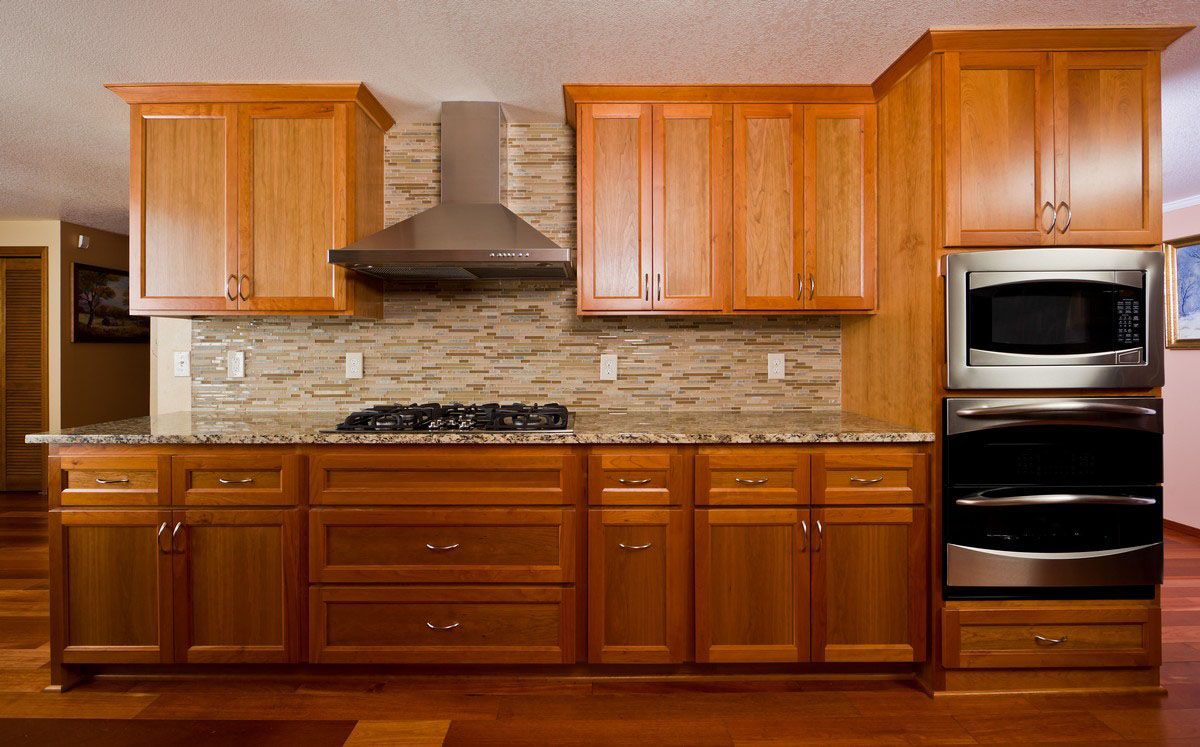
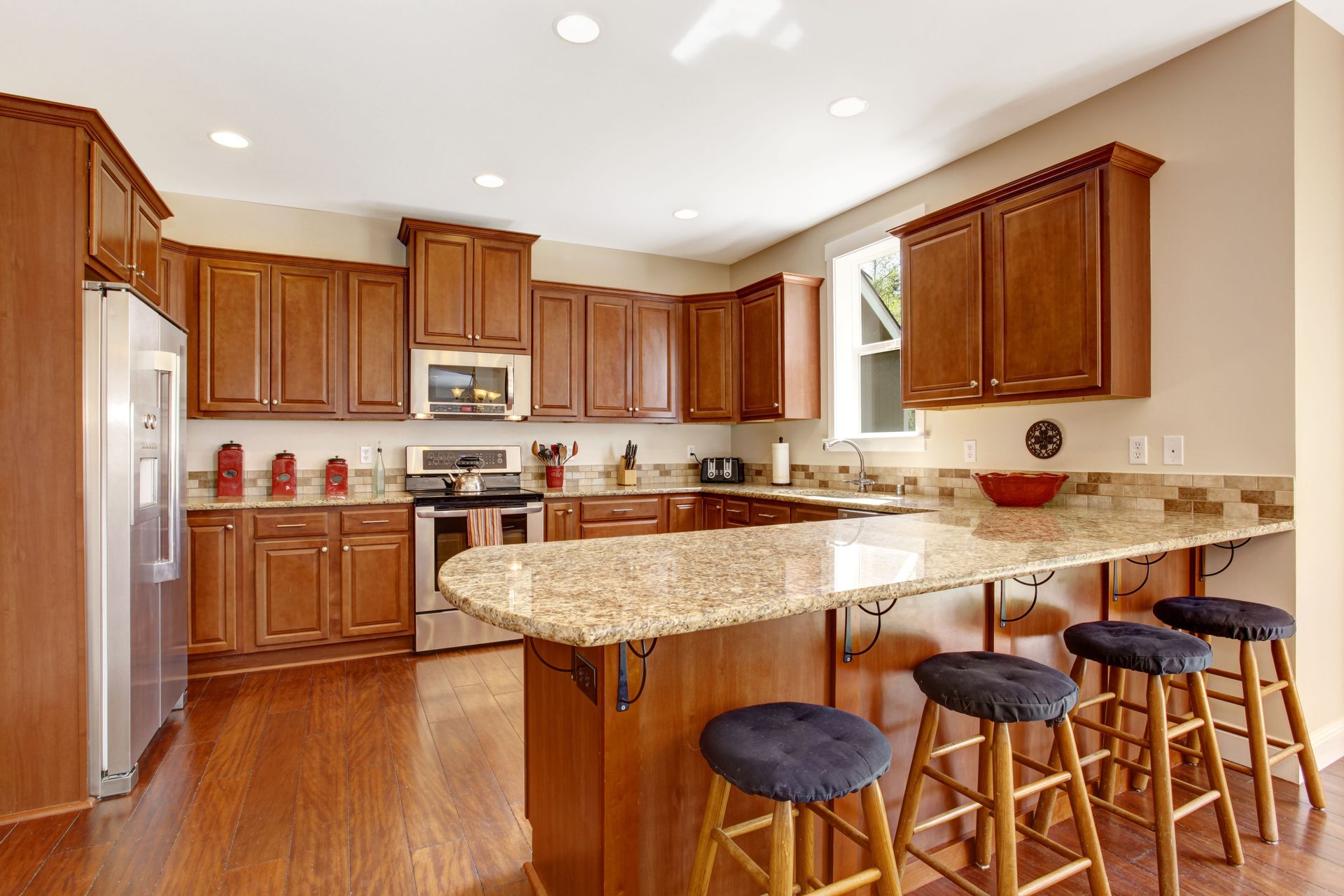
Hardwoods like oak, maple, and cherry are popular for their strength and timeless appeal. Oak offers a warm, traditional look, maple provides a smooth, stain-friendly surface, and cherry darkens over time, creating an elegant finish. Hardwoods are versatile, taking stains or paint well, and they add warmth and luxury to interiors. Their durability ensures long-term value, especially in kitchens and bathrooms, and can enhance resale value.
When designing with hardwoods, consider combining them with contrasting finishes or subtle accents. For example, pairing a natural cherry cabinet with brushed metal handles can introduce a contemporary element, while an oak cabinet with a matte finish can support a rustic or farmhouse theme. Using hardwoods strategically allows for a balance between style, functionality, and durability.
Softwoods
Softwoods such as pine and cedar offer a more budget-friendly option. Pine’s light color and rustic charm suit country or eclectic styles, while cedar's resistance to moisture makes it ideal for humid areas. Softwoods accept paint and stain easily, allowing for various looks. While softer than hardwoods, they remain durable with proper finishes, offering a cozy and inviting aesthetic.
Softwoods are also ideal for custom cabinetry with intricate carvings or decorative moldings, as they are easier to shape than hardwoods. Homeowners looking to create playful or artistic cabinetry can take advantage of softwoods’ workability to achieve ornate designs that might be cost-prohibitive in hardwoods.
Exotic Woods
Exotic woods like mahogany and teak provide sophistication and unique character. Mahogany’s deep, rich tones suit upscale designs, while teak is valued for moisture resistance in bathrooms or humid environments. Their distinctive grains and colors can make cabinetry a focal point, reflecting a bespoke, high-quality design choice.
Exotic woods are especially useful in open-plan areas, where cabinetry is visible from multiple angles. Their distinctive color and texture can create a visual anchor in the room, complementing other luxury materials like marble countertops or stainless steel appliances. Investing in exotic woods for select elements, such as a kitchen island or bathroom vanity, allows homeowners to make a statement without overwhelming the space.
Engineered Woods
Options such as plywood, MDF, and particle board provide economical, stable solutions. Plywood is strong and warp-resistant, ideal for structural elements, while MDF offers a smooth, paint-ready surface. Particle board works well in less visible areas. These engineered woods often incorporate recycled materials, balancing sustainability with cost-efficiency for custom cabinetry projects.
Engineered woods can also simplify large-scale projects where consistency and uniformity are important. MDF, for instance, produces clean, flat surfaces for painted finishes, avoiding natural variations found in solid wood. This makes them a practical choice for modern cabinetry with sleek lines and minimal ornamentation.
Reclaimed Wood
Reclaimed wood adds history, character, and sustainability to cabinetry. Salvaged from barns, factories, or ships, it features unique grain patterns and weathered textures. Each piece tells a story and minimizes environmental impact. According to Houzz, 32.64% of homeowners like white bathroom cabinet finishes, showing the appeal of pairing reclaimed wood’s rustic charm with lighter accents. Reclaimed wood is a budget-friendly, eco-conscious choice that adds one-of-a-kind charm to any project.
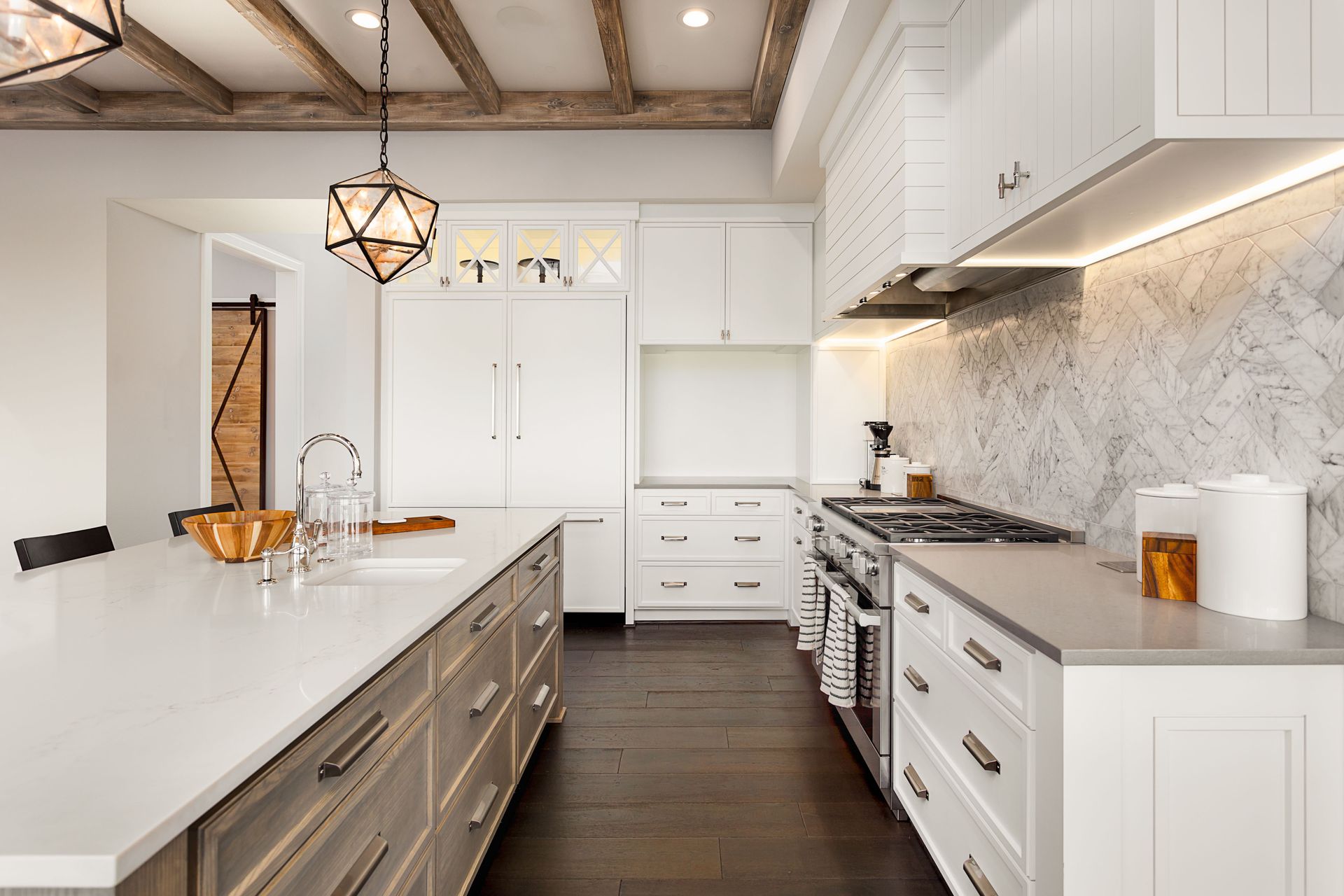
Reclaimed wood can also be mixed with contemporary finishes, such as pairing rough-hewn wood with glossy white panels, achieving a balanced blend of rustic and modern aesthetics. This versatility makes it ideal for homeowners wanting an environmentally responsible design without sacrificing style.
Metal and Glass in Cabinetry
Stainless Steel
Stainless steel offers a sleek, modern look with durability and corrosion resistance. Ideal for kitchens and bathrooms, it is non-porous, easy to clean, and complements wood or glass elements. Its reflective surface brightens spaces, while its resilience makes it perfect for high-traffic areas, balancing style with functionality.
When combining stainless steel with wood cabinetry, consider using it for accent doors, drawer fronts, or hardware. This mix provides a high-end look that integrates well with appliances and modern fixtures, creating cohesion in kitchen and bathroom designs.
Aluminum
Lightweight and rust-resistant, aluminum provides a contemporary, minimalist aesthetic. Its reflective surface brightens interiors and pairs well with glass or wood. Aluminum is also recyclable, offering a sustainable option for modern cabinetry. Its sleek look fits well in open-plan or high-tech designs.
Glass Fronts
Glass-fronted cabinets showcase dinnerware or décor while enhancing light and openness. Options include clear, frosted, or textured glass, allowing for display or privacy. Glass can modernize traditional wood cabinets and even incorporate interior lighting for a dramatic effect, adding both function and visual interest.
Strategically placing glass panels in upper cabinets can make kitchens appear larger, while using frosted glass in bathrooms ensures privacy without sacrificing style. Glass fronts are an easy way to integrate decorative elements without compromising storage function.
Wire Mesh
Wire mesh doors bring a rustic or industrial vibe, allowing airflow and visibility. Suitable for pantries or linens, mesh creates an engaging texture and pairs well with wood or metal. It offers both style and practicality, adding character to spaces like mudrooms or bathrooms.
Mirrored Cabinets
Mirrored cabinets serve dual purposes: storage and space enhancement. By reflecting light, they make rooms feel larger and brighter, ideal for compact kitchens or bathrooms. They complement various finishes and design styles, contributing to both elegance and functionality.
Paint and Stain Finishes
Oil-Based Paints
Oil-based paints provide a durable, smooth finish, ideal for high-use cabinetry areas. They resist moisture, offer a glossy look, and highlight wood’s natural beauty. While they require longer drying times and ventilation, the long-lasting, rich finish often outweighs these considerations.
Water-Based Paints
Water-based paints are quick-drying, low-VOC, and eco-friendly. They provide crisp, clear finishes and are easy to clean, making them practical for environmentally-conscious homeowners. Though slightly less durable than oil-based options, advances in formulas have improved their abrasion resistance, making them suitable for most cabinetry surfaces.
Gel Stains
Gel stains offer consistent color coverage, particularly on vertical surfaces, minimizing drips and streaks. They enhance natural wood grains and can be applied over existing finishes, making them versatile for both renovation and new custom cabinetry projects. Gel stains are forgiving and user-friendly, providing rich, uniform results.
Traditional Stains
Traditional stains highlight the natural beauty of wood by seeping into the grain. Available in a variety of tones, they complement both light and dark wood species. These stains allow transparency to show off wood textures while enhancing color, ideal for homeowners seeking a classic or timeless look. Pairing stains with complementary hardware and countertops creates a cohesive, well-thought-out design.
Maintenance and Longevity Tips
Proper care extends the lifespan of custom cabinetry. Regular cleaning with non-abrasive products prevents buildup and preserves finishes. For wood cabinets, periodic polishing or applying protective coatings helps maintain color and prevents cracking or warping. Metal surfaces may require mild detergents and careful drying to avoid streaks, while glass panels benefit from gentle cleaning solutions to prevent scratching. Attention to maintenance ensures that your investment in custom cabinetry retains its appearance and functionality over time.
Additionally, selecting finishes and materials suited to the room’s conditions is crucial. Moisture-resistant woods or engineered panels are ideal for bathrooms, while heat-tolerant finishes help kitchen cabinets endure daily cooking exposure. Proper ventilation and controlled humidity levels also play a significant role in the longevity of wood-based cabinets.
Choosing materials and finishes for custom cabinetry requires balancing aesthetics, durability, and functionality. Hardwoods, softwoods, exotic, engineered, or reclaimed wood each bring unique advantages, while metals and glass introduce modern flair.
Paints and stains further personalize cabinetry, enabling homeowners to achieve their ideal look. Incorporating design strategies, maintenance considerations, and mixed materials ensures your cabinetry reflects your style, fits your lifestyle, and remains a lasting feature in your home. With thoughtful selection and care, custom cabinetry becomes a statement of both design excellence and practical function. For more information, contact Stratton Creations.